

The practical side
of paradise.
Where you'll
live.
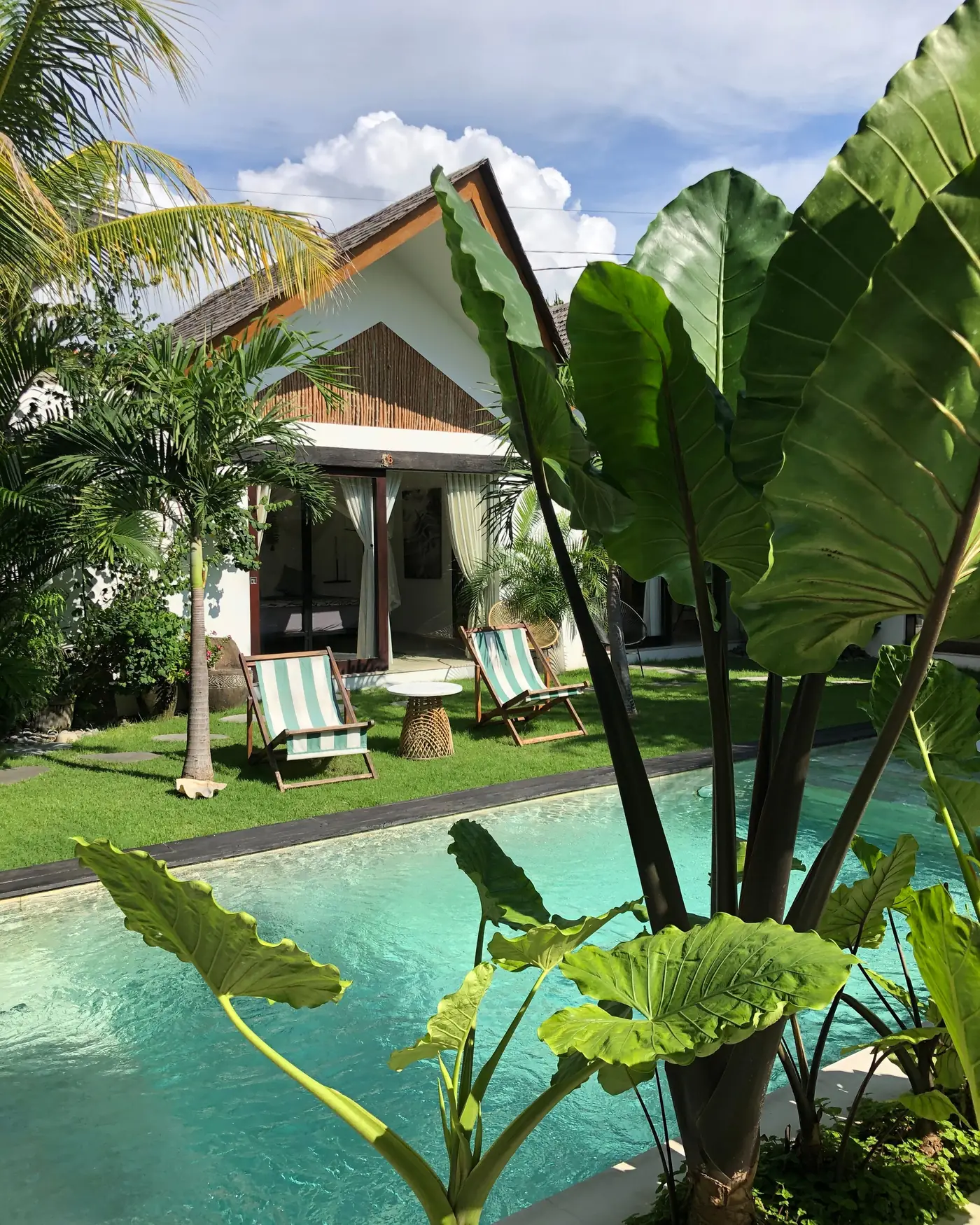
Shared villas, guesthouses and homestays, mostly around Canggu, Umalas and Kerobokan, and a dormitory on some campuses. You choose, and you choose alongside people who are moving at the same moment you are.
Team up with your cohort
The group chat opens weeks before departure. Who wants a villa, who needs one more person, who found a house with a spare room. Then you take it together and split the rent, and you know your flatmates before you land.
Let our housing partner do it
A local agency that only handles accommodation for international students. You get your own booking link by email, tell them what you are after, and they take the reservation from there.
Arrive first, then choose
Take a room for two weeks, get on a scooter, ride the route to campus at eight in the morning. Sign once you know which neighbourhood is actually yours.
Your coordinator knows what sits around your campus, and will flag it early if your visa needs a confirmed address before it can be filed.
What a month
really costs.
Bali can be very affordable or very expensive, and the variable is mostly you. These are the real average expenses of our students, excluding tuition and flights. Switch between a lean month and a comfortable one to see how the same island stretches or spends.
Eat local, ride a scooter, keep weekends simple.
The total is simply these lines added up, so you can check the maths yourself. Both columns sit inside what our own students report, roughly IDR 14 to 18 million a month. Excludes tuition, flights and insurance.
Spending it smart.
- →Eat like a local. A warung meal runs €1.50 to €2.50 and is usually better than the café next door.
- →Skip the scooter if it makes you nervous. Gojek and Grab rides are inexpensive and everywhere.
- →Plan weekend trips with classmates and share transport and stays.
- →Keep a little aside for the spontaneous trips. Bali's waterfalls and hidden cafés make exploring easy.
Source · average expenses reported by StudyInBali students
Getting
around.
Getting around here means one of two things: your own scooter, or the ride apps. Most students settle into a mix of the two within their first fortnight. Pick whichever fits your nerve.

Your own scooter
Rentals run about €50 to €60 a month plus fuel, and rental shops are everywhere. Bali drives on the left and a proper helmet is required by law. You will need an international driving licence that covers motorcycles, so it is worth checking yours before you decide.
Grab, Gojek, Bluebird
The ride apps cover car and scooter rides, food and grocery delivery, packages. Inexpensive, cashless and reliable across the student areas. Bluebird is the metered taxi to trust, and a shared private driver is good value for a weekend trip. Plenty of students never rent a scooter at all.
It's really hard to compare the daily life in Bali to anywhere else, because it's such a privileged feeling to wake up very early and go to the beach. One of my favourite things is riding my bike in the countryside, watching the local people living their very simple daily life, and watching their happy faces.
How the days
actually feel.
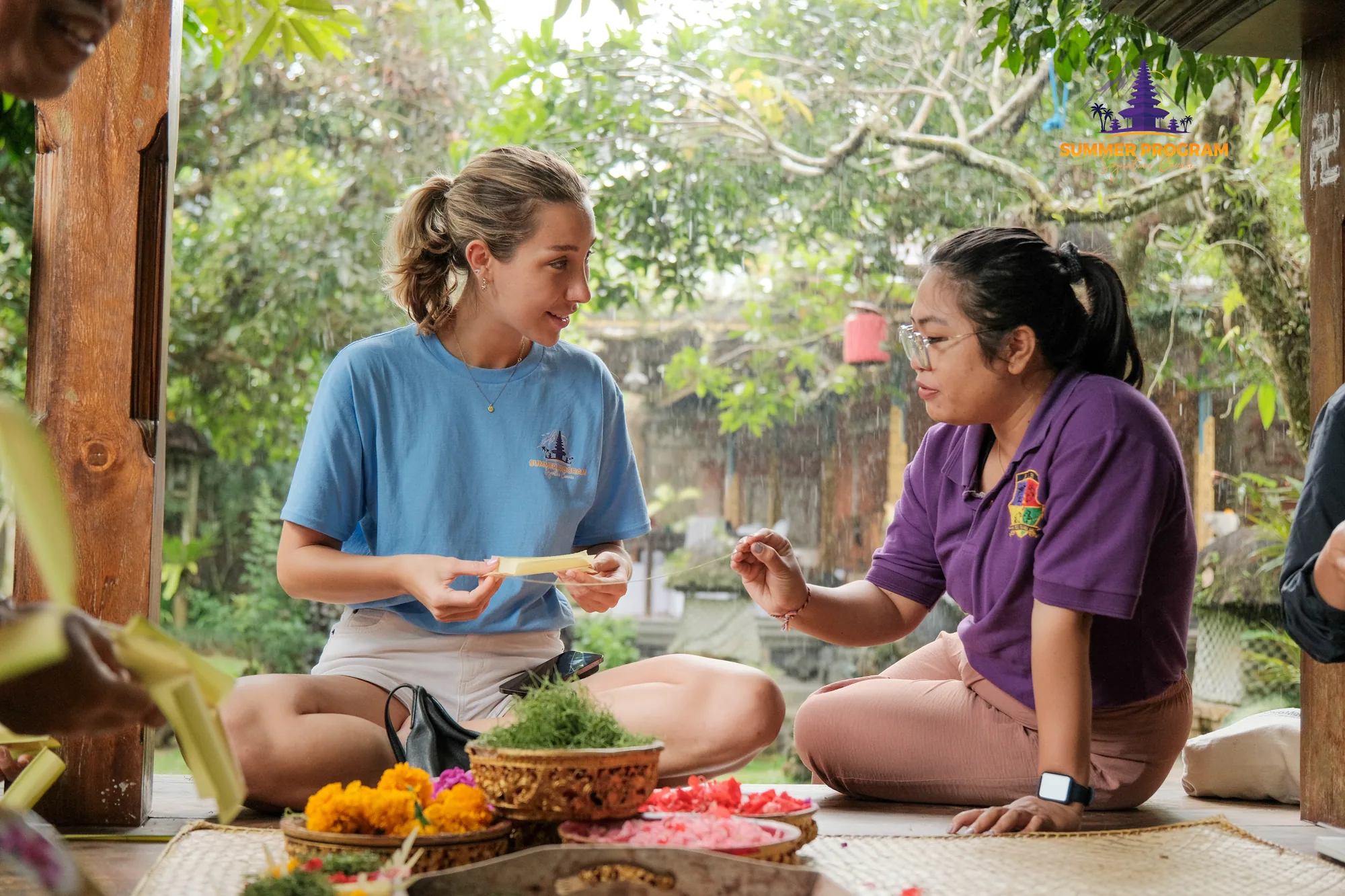
The part nobody can put in a brochure: the pace, the food, the small courtesies. None of it is hard to learn, and most of it you pick up in the first fortnight by watching what the people around you do.
If you get
ill here.
A fair question to ask before you commit, and one parents ask first. The short answer: the south of Bali has proper medical care, and you will be insured for it because we make that a condition.
International hospitals and English-speaking doctors sit in Denpasar, Benoa, Canggu and Ubud. Three hospitals are recommended for round-the-clock care, and international clinics cover everything smaller.
Pharmacies are on almost every street, signposted Apotek. In practice, students use them for the ordinary things: a stomach that needs a week to settle, a grazed knee, a course of antibiotics.
International health insurance is mandatory, both for entering Indonesia and for the program. It has to cover your full stay, arrival and departure days included.
That means outpatient and hospital treatment, medication, ambulance and medical evacuation, with 24/7 support in English, and it has to include the activities you will actually be doing.
If you are unsure whether a policy qualifies, ask your provider before you book a flight, and send it to us if you want a second pair of eyes.
Emergency numbers, clinic addresses and the direct contacts for our team in Bali arrive in your study guide once you are enrolled. Nobody here has to look any of that up on a website at the moment they need it.
Arriving
alone.
Most people book this by themselves and land knowing nobody. By the end of the first week that has usually stopped being true, and it has less to do with luck than with how the first days are arranged.

- 01Weeks before
The chat opens
The group chat for your intake starts well before departure. That is where rooms get matched, flights get compared and the first weekend gets planned. By the time you board you know names, faces and usually who lands the same day as you.
- 02The day you land
Someone is waiting
Every student gets a free airport pick-up. A driver meets you in arrivals and takes you to your accommodation, so the first thing you do here is not haggle with a taxi at midnight after twenty hours in the air.
- 03Day one
Welcome and orientation
It opens with the welcome dinner and the orientation day: a Balinese welcome, the campus, the practical briefing, and the people you are going to spend the next weeks with. Nobody arrives into an empty timetable and works it out alone.
- 04From then on
It runs itself
After that the students take over: dinners, weekend rides, someone always heading somewhere and looking for company. The community carries across intakes too, so people who were here before you still answer questions, and you end up being that person for the next group.
Visa,
short version.
One rule covers everything: every StudyInBali student enters on a student visa, sponsored and filed by the host institution. No tourist entry, no workarounds, for short courses too.
A €350 registration secures your place, refundable when you cancel more than 8 weeks before your course start, minus a €100 processing fee. Full process, timing and costs live on Admissions and on each program page.
Add it all up.
Tuition and living we can calculate, because both come from real figures. Your flight and your insurance we cannot, because they depend on where you start and who you insure with. Put your own numbers in and the total is genuinely yours.
All three are in euros and all three are blank on purpose: a flight from Lisbon and a flight from Sydney are not the same number, neither are two insurance policies, and what you spend at home is yours to know, not ours to guess.
on top of life at home
- Tuition…
- Living…
- Flightadd yours
- Insuranceadd yours
- Student visa…
Tuition is the fee of the price phase open right now in the currently published program-data snapshot, and the €350 registration is already inside it. Living is the monthly figure from further up, scaled to the length of the program. On a four-week course a flight can be a third of everything you spend; across a fifteen-week semester it almost disappears, which is worth knowing before you compare two programs on price alone. The student visa is included in the tuition on some intakes and paid separately on others, and the line above says which applies to yours. Where it is separate you pay it in rupiah, so the euro figure next to it is today’s conversion of a fixed rupiah amount and will move a little with the exchange rate. Worth holding against all of it: rent and food you would have paid this semester wherever you spent it, so only part of this is genuinely extra. Grants and funding routes sit on Admissions.







Plan your
move to Bali.
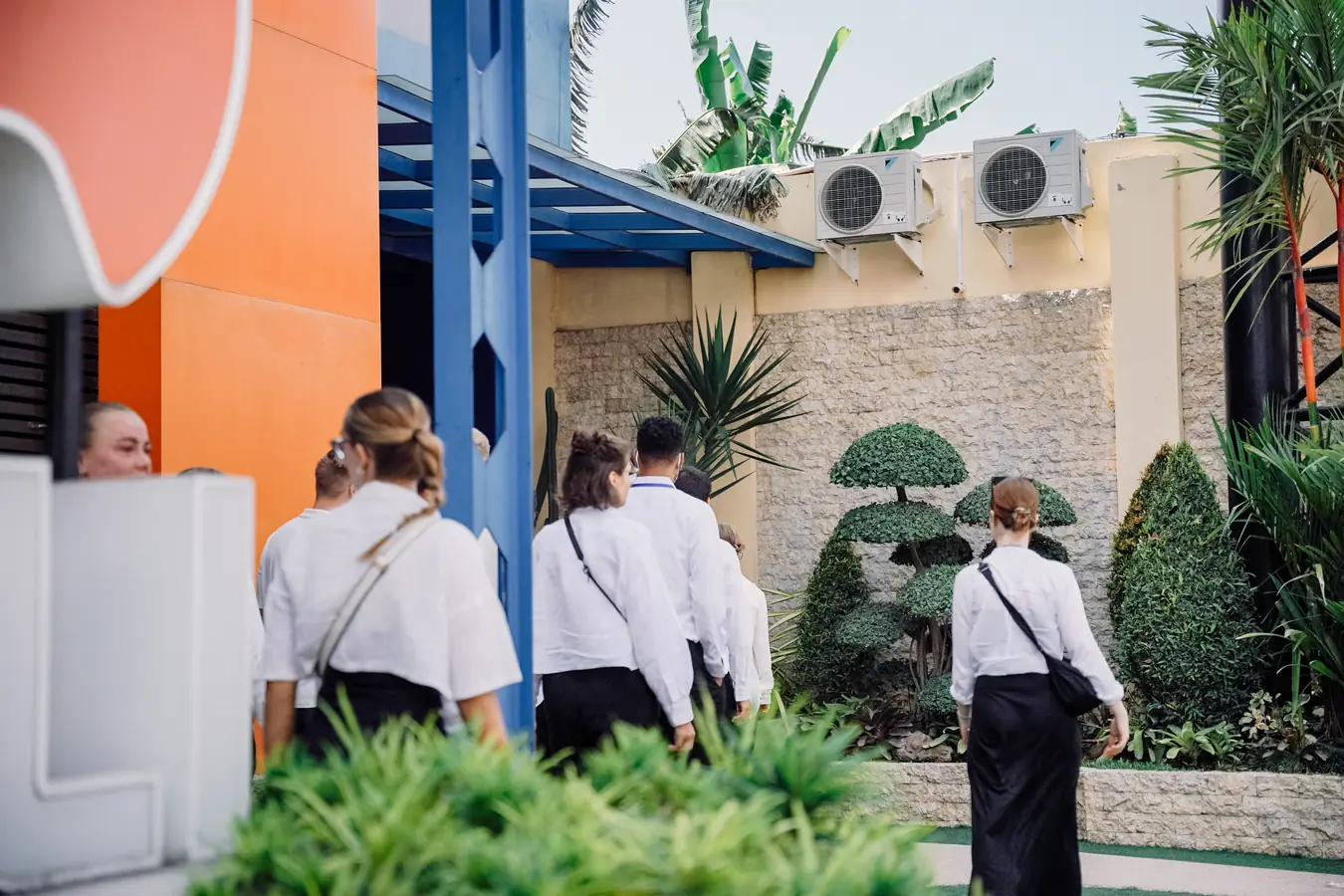
Housing list, visa checklist and the full study guide all arrive with your confirmation. The only thing we can't organise is the sunset.
Questions first? Take the 60-second finder · Book a 1:1 call · WhatsApp us